In the rapidly evolving landscape of open-source software, WordPress stands at a pivotal crossroads. As the platform approaches its third decade of existence, its stewards are rethinking the very mechanics of how updates reach users. Moving beyond the traditional, behind-the-scenes release cycle, the project is experimenting with a high-profile, synchronized strategy that ties major software launches to the community’s flagship global events.
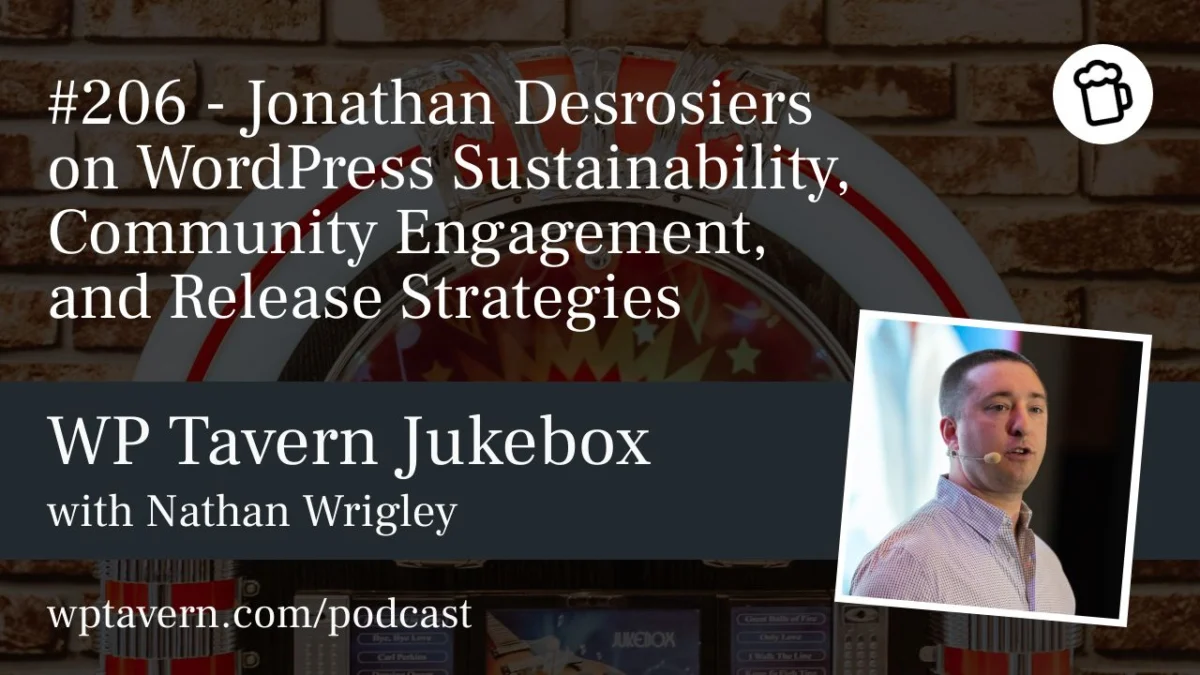
This shift, led by contributors like principal software engineer Jonathan Desrosiers, aims to do more than just ship code; it seeks to rekindle the excitement of "the launch" while addressing the systemic challenges of community engagement in a post-pandemic world.
The Strategic Shift: Synchronizing Releases with Global Gatherings
The recent experiment of aligning a WordPress major release with the annual State of the Word keynote in San Francisco provided a blueprint for the future. For years, WordPress releases have been functional milestones—often invisible to the average user until an auto-update quietly refreshes their dashboard. However, the December 2025 event introduced a layer of theatricality, complete with a symbolic "big red button" that signaled the official launch to a live audience.
This was not merely a PR stunt. It was an attempt to capture the cultural energy found in the television or consumer electronics industries, where product launches are treated as "must-see" events. For 2026, the WordPress project is aiming to amplify this effect by aligning major releases with the “Big Three” flagship events: WordCamp Asia, WordCamp Europe, and WordCamp US.
“The more I’m involved in open source, the more I realize that the code and the license are important, but the community is the most important thing underneath any open-source project,” explains Jonathan Desrosiers, a long-time Core committer and engineer at Bluehost. “Why not celebrate our achievements when we get together? It creates an ultimate celebration where people feel involved in something greater than themselves.”
The Chronology of Complexity: Balancing Logistics and Holidays
While the vision is ambitious, the logistics of coordinating software development with global event schedules are immense. The WordPress release team must navigate a minefield of international constraints, including religious holidays, regional travel patterns, and varying economic climates.
Navigating the Global Calendar
The cadence of WordPress releases is not solely dictated by code completion. As Desrosiers notes, the planning process requires a sophisticated understanding of the global landscape:
- The December Problem: The end-of-year period is effectively a "washed month" for many contributors, hampered by US Thanksgiving, Hanukkah, Christmas, and New Year’s. This leaves a narrow window for feature-complete milestones.
- Regional Holidays: A single major holiday in a key contributor region can stall a release. Planning must account for international religious observances that shift annually, often clashing with event dates.
- Travel and Availability: When a release coincides with a WordCamp, the team must ensure that "global coverage" is maintained. The goal is to have a mix of contributors—some attending the event and others working remotely from different time zones—to ensure that if a critical issue arises, there is always a team with the right skills available to respond.
"It’s not reasonable for the Core team to tell event organizers they have to hold a conference in a specific month," Desrosiers admits. "We are trying this out this year to see what we can learn, but it is an incredibly difficult puzzle to solve."
Data-Driven Growth: The Success of Auto-Updates
Despite the challenges of planning, the data suggests that the current release strategy is yielding higher adoption rates than ever before. Desrosiers has been monitoring the "velocity of adoption" for recent major versions, and the results indicate a high level of user trust.
Recent internal data reveals that for the last six to eight releases, WordPress has hit the 35% adoption threshold—meaning 35% of all WordPress sites globally have updated to the new version—in just two days or less. Furthermore, the 50% adoption threshold is being reached significantly faster with each successive version. WordPress 6.9, for example, hit the 50% mark in 10 days, four days faster than its predecessor.
This acceleration is a clear indicator of successful automation. Users are increasingly comfortable with major version auto-updates, and the stability of the software is fostering a "set it and forget it" confidence that was absent a decade ago.
The Community Conundrum: Recovery and Rebuilding
While the software remains robust, the "human" side of WordPress—the Meetups and local WordCamps—is still recovering from the long-term effects of the COVID-19 pandemic. The disruption of in-person events broke the traditional mentorship pipeline, where veteran organizers would train successors.
The "Withering" Perception
There is a palpable sense within the community that local engagement has waned. In many regions, particularly in the United States, Meetup attendance has struggled to return to pre-2020 levels. However, this is not unique to WordPress; it reflects a broader societal shift in how people consume information and interact with their local communities.
Desrosiers observes a stark contrast between regions: "The APAC WordCamp community is very strong and growing. They are essentially building their community for the first time in many ways. In the US, it is the second or third time we are trying to revitalize these communities, and the form that takes needs to be different."
Educational Initiatives as a Bridge
To counter this, the project has turned its attention to education and younger talent. Through initiatives like the WP Credits Program, mentorship programs, and partnerships with educational institutions, leadership is attempting to build a new generation of contributors. The goal is to create a clear, actionable path: from learning about open source in university, to attending a local Meetup, to eventually serving on a release squad.
Implications: The Intersection of AI and Open Source
A significant factor in the future of WordPress is the rise of Generative AI. Desrosiers believes AI serves as both a tool for empowerment and a catalyst for a "resurgence of building."
"AI is changing what we need and how we want it," says Desrosiers. "It makes it easier for a person with very little coding experience to build something credible. While that brings challenges regarding code quality and security, it creates a level of personal empowerment that we haven’t seen in years."
This personal empowerment is driving a shift away from "walled garden" platforms—like social media giants that frequently change their terms of service or restrict data access—back toward the open web. There is a renewed interest in blogging, RSS, and self-hosted sites, as users realize they want more control over their digital footprint.
The Path Forward: What Comes Next?
The vision for the next five years is clear: WordPress must become more than a content management system; it must be an ecosystem that provides both the stability of an enterprise-grade platform and the excitement of a modern, fast-moving software project.
By linking releases to major community gatherings, the project is attempting to foster a sense of shared purpose. If the team can successfully leverage the enthusiasm of these events to onboard new contributors, and if they can use AI to lower the barrier to entry for new builders, the "withering" of the community may simply be a transition phase.
As Desrosiers concludes, the ultimate success of WordPress will be measured not just in the number of sites running the latest version, but in the vitality of the human network behind it. "We are competing for eyeballs," he admits. "If we don’t make it exciting, innovative, and fun, people won’t show up. Our job is to prove why open source is still the most valuable path for the next generation of builders."
With the 2026 calendar packed with global events and high-stakes releases, the project is betting that by bringing the code to the community, it can finally bring the community back to the code.