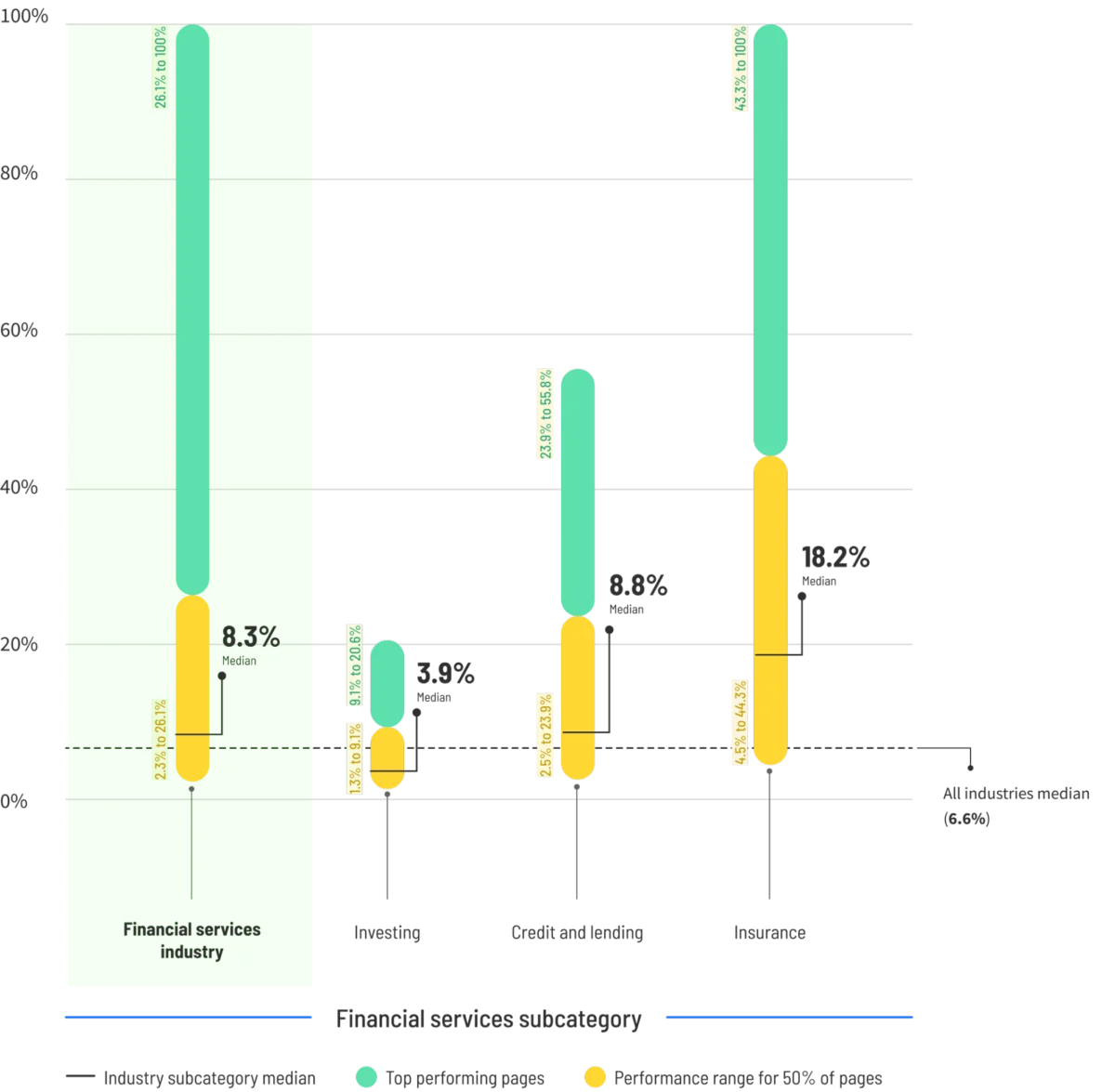
In the fast-paced digital marketing landscape, the "set it and forget it" mentality is rapidly becoming a relic of the past. For many marketing teams, the traditional approach to campaign management involves a high-stakes, one-time launch followed by a post-mortem analysis of whether the initiative succeeded or failed. However, a new paradigm is shifting how top-performing brands capture market share: Iterative Testing.
Iterative testing is not merely a method for optimization; it is a fundamental shift in philosophy. By moving away from "home run" strategies and embracing a cycle of small, evidence-based refinements, marketers can reduce wasted spend, adapt to shifting consumer behaviors in real-time, and drive compounding growth.
The Core Concept: What is Iterative Testing?
At its simplest, iterative testing is the practice of repeatedly testing, measuring, and refining marketing assets based on the granular data gleaned from each preceding experiment. Rather than subjecting a landing page or an ad campaign to a complete overhaul based on intuition, teams introduce small, isolated changes—such as headline adjustments, button color shifts, or CTA text modifications—to see how they influence user behavior.
This approach draws heavily from product development methodologies like Agile and Lean Startup, where incremental improvements eventually lead to a superior final product. For marketers, this means the end of "massive flop" campaigns; instead, you are left with a system of continuous improvement where each test acts as a stepping stone to the next.
Chronology of the Testing Evolution
The evolution of marketing testing has followed a clear, albeit slow, trajectory:

- The "Gut Feeling" Era: Early digital marketing relied heavily on creative intuition and subjective design choices. Decisions were often based on what the internal team "felt" was right.
- The A/B Testing Infancy: As tools became more accessible, marketers began running simple A/B tests. However, many treated these as isolated, one-off events rather than part of a larger, cohesive strategy.
- The Current Iterative Era: Today, we are in the age of rapid, data-driven iteration. Modern platforms allow for constant testing, where AI-powered tools and real-time analytics enable marketers to move from quarterly analysis to daily optimization.
Supporting Data: Why Small Changes Matter
The argument for iterative testing is bolstered by compelling industry data. For instance, Unbounce’s 2024 Conversion Benchmark Report revealed that language complexity is a significant driver of user behavior. The report found that landing pages written at a 5th–7th grade reading level consistently outperform professional-level copy, yielding conversion rates of 11.1%—more than double that of more complex text.
Furthermore, the data suggests that device-specific optimization remains a critical frontier. With 83% of landing page traffic now originating from mobile devices, yet desktop still maintaining an 8% higher average conversion rate, the need for iterative, device-specific testing has never been more urgent. Ignoring these nuances is essentially leaving revenue on the table.
The Step-by-Step Iterative Testing Process
For teams looking to transition into an iterative model, the following framework provides a roadmap for sustainable growth.
1. Define a Focused Hypothesis
Avoid the "everything-at-once" trap. If you change five elements simultaneously, you will never know which one drove the result. A focused hypothesis should look like: "Changing the CTA from ‘Submit’ to ‘Get My Free Guide’ will increase click-through rates because it emphasizes user value."
2. Prioritize Based on Impact and Effort
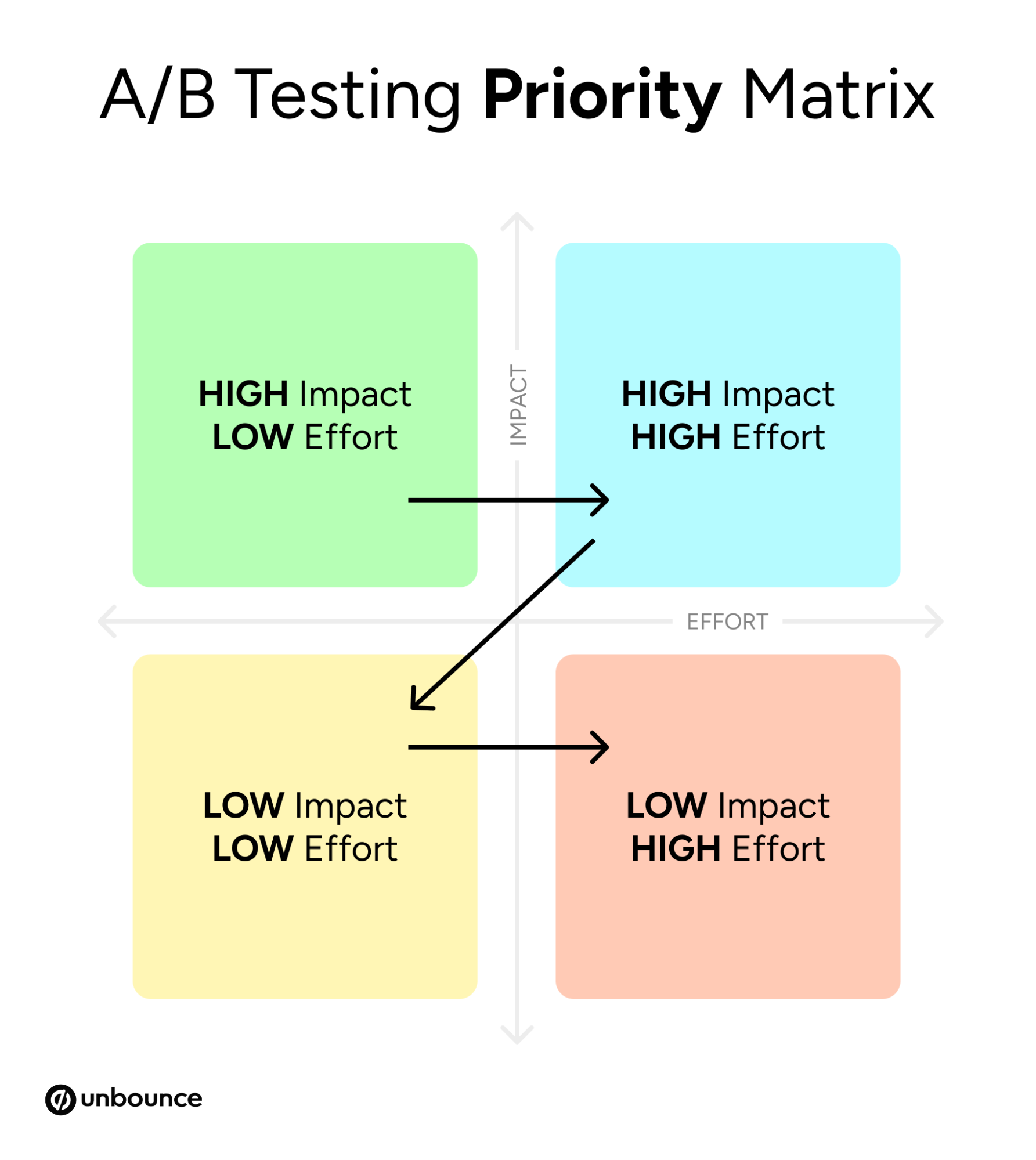
Use a 2×2 matrix to categorize your tests. Place tasks that offer "High Impact/Low Effort" at the top of your queue. This builds team momentum and demonstrates early ROI to stakeholders, making it easier to secure resources for more complex tests later.

3. Build Minimal, Testable Variations
Your variant should be a clean, isolated version of your control page. With modern tools like Unbounce, you can duplicate your existing assets and implement targeted changes without requiring constant intervention from IT or development teams, keeping your feedback loops tight and fast.
4. Launch and Observe Statistical Significance
Avoid the urge to call a test early. Jumping to conclusions before a test reaches statistical significance is a recipe for false positives. You must ensure you have a sufficient sample size to trust that your results are not merely a product of random chance.
5. Extract Actionable Insights
Don’t just record the winner; record the why. If a test failed, document why it failed. A failed test is not a loss—it is a data point that prevents you from repeating the same mistake in future campaigns.
6. Iterate and Scale
Once a winner is identified, don’t stop there. If a specific headline style worked, test it across other landing pages or email sequences. Scale the winning insights throughout your entire digital ecosystem to compound the gains.
Official Perspectives: The Role of Organizational Culture
Industry experts increasingly agree that the biggest barrier to effective testing is not technology, but company culture. Successful testing programs often require a "democratization of ideas."
When organizations break down silos—inviting input from customer support, sales, and product teams—the quality of testing hypotheses increases exponentially. For example, a support representative might note that customers are frequently confused by a specific pricing tier. That insight, when translated into a landing page test, can solve a genuine user friction point that a marketer might have missed entirely.
Implications for Future Marketing Performance
The implications of adopting an iterative mindset are profound:
- Predictable Growth: By making small, constant improvements, marketing results become more consistent and less susceptible to the volatility of large-scale, "all-or-nothing" campaigns.
- Reduced Wasted Spend: Because you are testing on a small scale before rolling out changes to your entire audience, you mitigate the financial risk of high-budget failures.
- Competitive Agility: In a market where consumer preferences shift rapidly, the ability to pivot based on real-time data allows you to stay ahead of competitors who are still stuck in traditional, slower testing cycles.
Best Practices for Long-Term Success
To keep your testing program from fizzling out, follow these three guiding principles:
- Prioritize Speed: If a test takes three months to plan and execute, you have already lost the competitive edge. Aim for high-velocity cycles. Even if a test is imperfect, it is better to launch and learn than to wait for the "perfect" setup.
- Avoid Metric Bloat: Focus on the "North Star" metrics that align with business goals (e.g., conversion rate, cost-per-acquisition). Drowning in secondary data points often obscures the insights that actually lead to growth.
- Foster Collaboration: Treat testing as an organizational sport. Create a centralized backlog where team members across the company can submit observations from their daily interactions with customers.
Conclusion: Starting Your Journey
Iterative testing is not a destination; it is a cycle of perpetual improvement. It requires a willingness to fail, the discipline to follow the data, and the humility to know that your current best version can always be better.
As you move forward, remember that the most successful marketing teams are not those who hit the most home runs, but those who consistently record the most base hits. By plugging the "leaks" in your conversion funnel with continuous, evidence-based refinements, you transform your marketing from a guessing game into a high-precision engine for growth. Start small, test often, and let the data lead the way.