By the Editorial Desk
Published in UX & Consumer Strategy Review
Main Facts
The Fear of Missing Out (FOMO)—long established as a psychological driver that pushes consumers toward websites and mobile applications—is undergoing a radical reassessment. While traditional digital marketing and web design have leveraged urgency, countdown timers, and scarcity metrics to drive immediate conversions, growing evidence suggests that these aggressive tactics often cross the line into psychological manipulation.
In a digital landscape increasingly scrutinized by regulatory bodies like the UK’s Competition and Markets Authority (CMA), designers and product strategists are facing mounting pressure to pivot. The core dilemma centers on whether the short-term revenue gains of anxiety-inducing design are worth the long-term erosion of consumer trust and brand loyalty.
According to web design expert and strategist Suzanna Scacca, FOMO does not need to be discarded entirely. Instead, digital architects can strip away the "fear" component—the anxiety, stress, and manipulation—and retain the positive, motivating aspects of the strategy. By implementing subtle availability reminders, highlighting organic rewards, encouraging peer-to-peer sharing, and utilizing grounded, realistic imagery, brands can inspire engagement without inducing consumer remorse.
Chronology: The Evolution of Urgency in Digital Design
To understand the current ethical reckoning surrounding FOMO in web and app development, it is necessary to trace how urgency transitioned from basic retail salesmanship into a high-stakes digital science.
- Early E-Commerce Era: Simple notices such as "Only 3 left in stock" served as functional inventory indicators to help customers make informed purchasing decisions.
- The Social Media Boom (Early 2010s): Platforms began engineering continuous connectivity loops, sparking widespread academic interest in the psychological impacts of exclusion and peer activity.
- 2013 Academic Milestone: Researchers published "Motivational, emotional, and behavioral correlates of fear of missing out" in the journal Computers in Human Behavior, officially defining FoMO as "a pervasive apprehension that others might be having rewarding experiences from which one is absent." The study concluded that high FoMO correlates directly with lower mood and life satisfaction.
- Late 2010s Regulatory Crackdown: As dark patterns—deceptive user interface designs meant to trick users—became rampant, consumer protection agencies took notice. Notably, the UK’s CMA launched investigations into hotel booking sites for utilizing misleading urgency cues, such as false claims about room availability and deceptive discount countdowns.
- Present Day (The Ethical UX Movement): Designers, UX writers, and developers are shifting toward transparent, human-centric frameworks. Rather than weaponizing scarcity, modern design is exploring how to frame limitations and rewards as helpful, low-stress guideposts.
Supporting Data and Psychological Insights
The debate over ethical FOMO is deeply rooted in behavioral economics and psychological research. When digital environments trigger acute stress through high-pressure tactics, they often trigger what psychologists call the paradox of choice or cognitive overload, frequently resulting in cart abandonment rather than a sale.
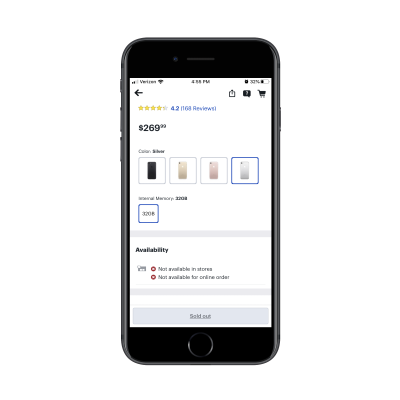
- The Information Cascade Effect: According to Dr. Paul Messinger, a business researcher and professor at the University of Alberta, transparently displaying sold-out product variations can actually benefit a brand. Research indicates that consumers engage in an "information cascade," inferring that if a specific item or variation sold out, it must possess high inherent quality. This rational observation guides them toward alternative, available options without causing panic.
- The Mental Health Toll of Influencer Culture: Studies cited by consumer analysts like Lucie Greene highlight a direct link between hyper-curated, aspirational digital environments and compulsive consumption. When lifestyle influencers project unattainable standards of luxury and ease, consumers experience isolation, envy, and financial strain.
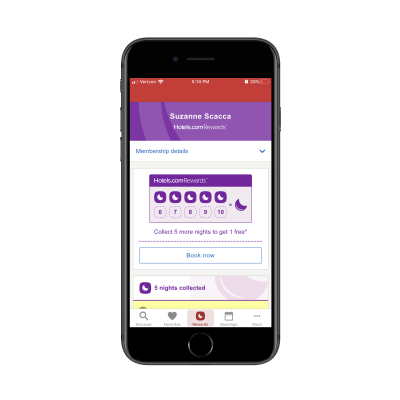
- Long-Term Retention vs. Short-Term Conversion: While aggressive pop-ups and red countdown banners might yield a temporary spike in click-through rates, they fail to build sustainable customer lifetime value (LTV). Brands that prioritize clarity—such as loyalty tier tracking and transparent inventory lists—foster deeper, more enduring customer relationships.
Industry Responses and Ethical Frameworks
Major consumer brands and platforms are already demonstrating how to harness the psychology of missing out without resorting to manipulation.
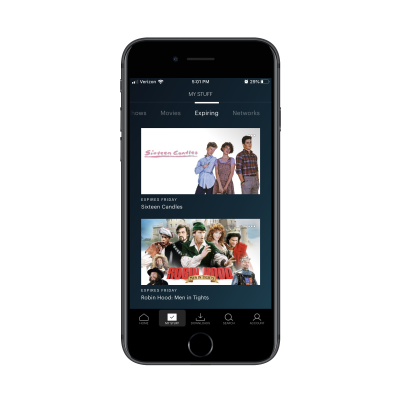
1. Hulu: Transforming Scarcity into Organization
Rather than flashing urgent warnings across the screen when a title is leaving the platform, the streaming service Hulu dedicates an entire tab to "Expiring" content. This gives users a manageable, curated list that empowers them to watch shows before they disappear, replacing panic with clear choices and efficient decision-making.
2. Gap: Low-Stress Reward Notifications
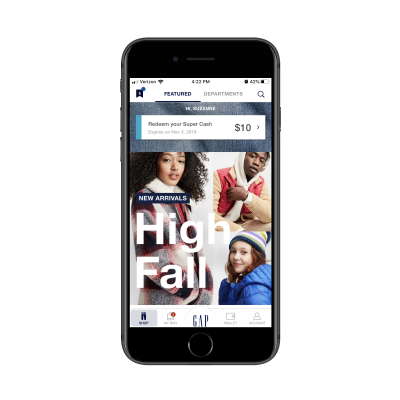
Apparel retailer Gap avoids generic site-wide sales banners that overwhelm shoppers. Instead, when logged-in members have unspent rewards or expiring cash credits, the app displays a subtle, pulsing blue icon in the corner of the interface. This gentle notification prompts loyal customers to utilize perks they have already earned, transforming potential loss into a positive incentive.
3. Airbnb and 23andMe: Peer-Driven Inspiration
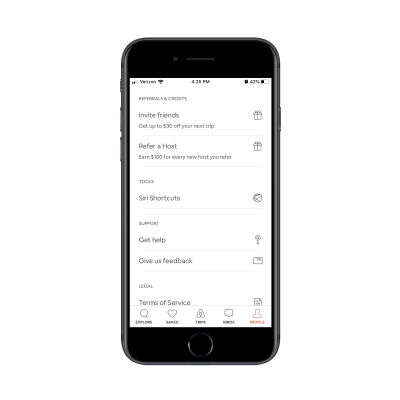
Instead of top-down corporate marketing proclaiming a product’s exclusivity, companies like Airbnb and 23andMe empower their user base to share authentic experiences. Airbnb’s referral program encourages travelers to invite friends with mutual financial incentives. Similarly, 23andMe generates personalized, easily shareable ancestral breakdown cards for social media. Because the message comes from a trusted peer rather than an anonymous corporate banner, the resulting engagement is organic, highly effective, and entirely devoid of pressure.
4. Sephora and The Inner Circle: Grounded Visuals
In contrast to the hyper-glamorous, unattainable lifestyles often pushed by luxury brands and social media influencers, companies like Sephora and the exclusive dating app The Inner Circle utilize realistic imagery. Sephora features a dedicated "Inspire" community gallery populated by everyday customers wearing real makeup in normal settings. Similarly, The Inner Circle uses grounded, relatable photography—such as a couple sharing a casual date in a park—proving that luxury and exclusivity do not require alienating or intimidating the user.
Implications for the Future of Web and App Design
The transition toward ethical FOMO carries significant implications for digital agencies, UI/UX designers, and enterprise product teams.
Rebuilding Consumer Trust
As digital literacy increases, consumers are becoming increasingly adept at spotting manufactured urgency. False countdown timers and fabricated scarcity metrics are losing their efficacy. Brands that build transparency into their core architecture will stand out as trustworthy alternatives in crowded markets.
The Shift from Conversion to Retention
Web design historically prioritized the initial conversion—getting the user to click, buy, or subscribe at all costs. Ethical UX design shifts the focus toward long-term customer retention. An application that respects the user’s cognitive bandwidth and emotional well-being encourages repeat visits, positive word-of-mouth, and sustained brand loyalty.
Regulatory Compliance and Brand Safety
With global regulatory bodies increasing their oversight of dark patterns and deceptive marketing, adopting ethical design practices is no longer just a moral choice—it is a necessary risk-management strategy. Avoiding manipulative psychological traps protects brands from costly legal scrutiny and public relations crises.
Conclusion
The fear of missing out is a powerful human emotion, but it does not require exploitation to be effective. By stripping away anxiety-inducing elements like false timers and manipulative imagery, digital designers can craft experiences that respect the consumer. Whether through gentle inventory reminders, transparent loyalty tracking, or authentic peer-driven sharing, the future of digital design lies in empowering users rather than pressuring them. Ultimately, the websites and applications that succeed will be those that realize long-term business growth is built on trust, clarity, and genuine human connection.